.png?width=1738&height=340&name=AIA%20Logo%20(1).png "AIA Logo (1)")

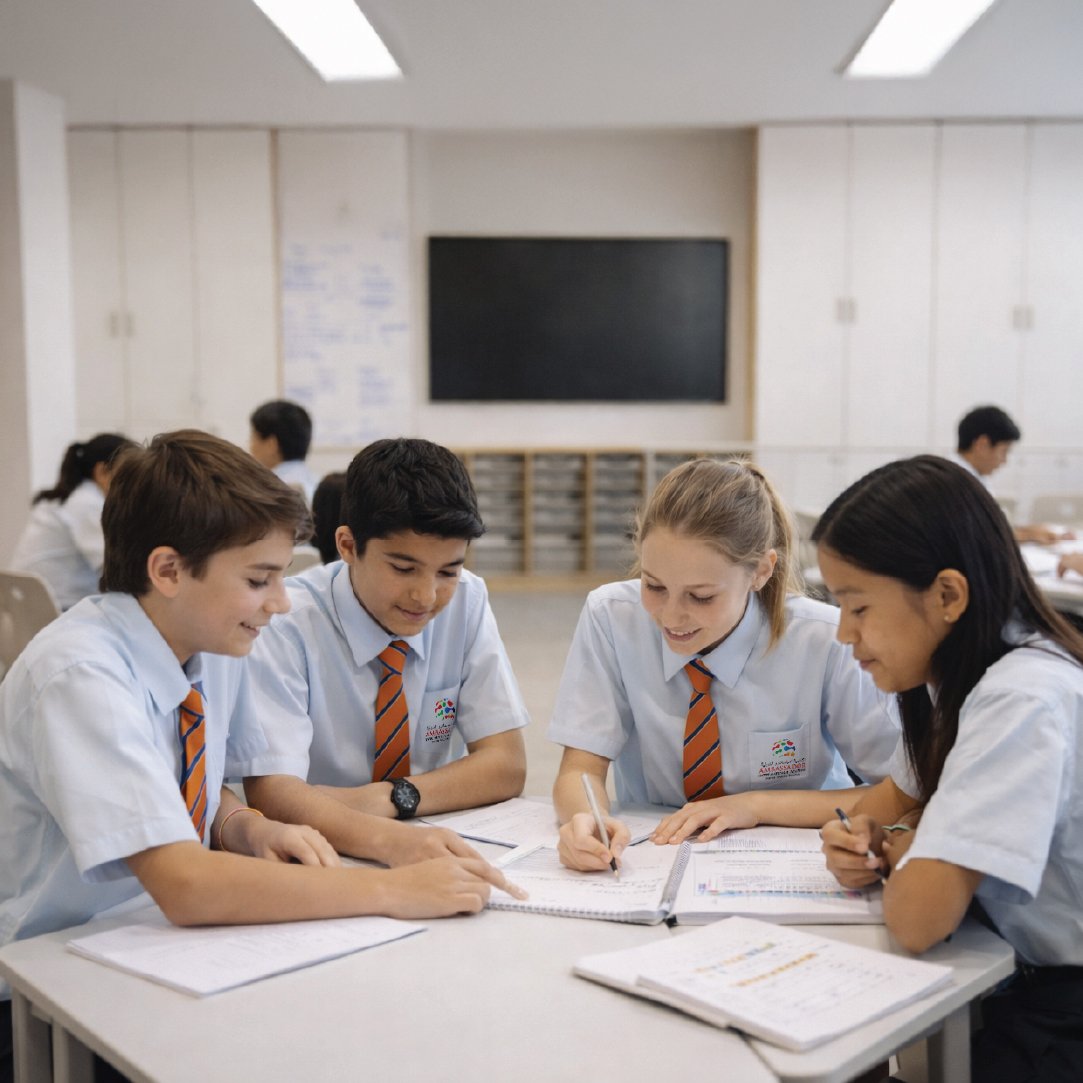
The Senior Years Programme is a two-year course designed as a coherent and comprehensive curriculum framework that provides academic challenge while developing advanced research, critical thinking, and life skills in students aged 17 to 18.
During the Senior Years at Ambassador International Academy (AIA) Mankhool, students are supported in both their intellectual and social development, with a strong emphasis on local and global awareness across all subject areas. This approach helps students develop international-mindedness and a deep understanding of their role in an interconnected world.
The curriculum encourages students to make meaningful connections across areas of knowledge and apply their learning to real-world contexts. Through this approach, students develop essential 21st-century skills alongside both breadth and depth of knowledge, preparing them for success at university and beyond.
The programme offers subjects across six broad subject groups and two levels of study. These levels differ in scope and depth but are assessed using the same criteria, with higher-level study requiring greater conceptual understanding, analytical skill, and subject mastery. Students undertaking standard-level courses complete approximately 150 teaching hours, while higher-level courses comprise approximately 240 teaching hours.

Subject Selection Criteria
- Students need to select 6 subjects from the aforementioned six subject groups. The following combinations are allowed for subject selection at AIAM.
- Students can choose 1 from each of the 6 different subject groups.
- Students who do not wish to pursue Arts in the 6th subject group can choose a second Group 3 or 4 subject as the 6th Subject.
- Students who wish to pursue 3 sciences (due to their admission requirement in future university courses), can choose 3 science subjects from Group 4 and 1 subject from Groups 1, 2 and 5 respectively.
- Students need to select 3 subjects at the Higher Level (HL) and 3 subjects at a Standard Level (SL)
- The Core of the Diploma Programme includes 3 components (detailed below) which makes the curriculum highly balanced and experiential. All DP students must do all THREE Diploma Programme Core components.
The Diploma Programme Core
Extended Essay (EE)
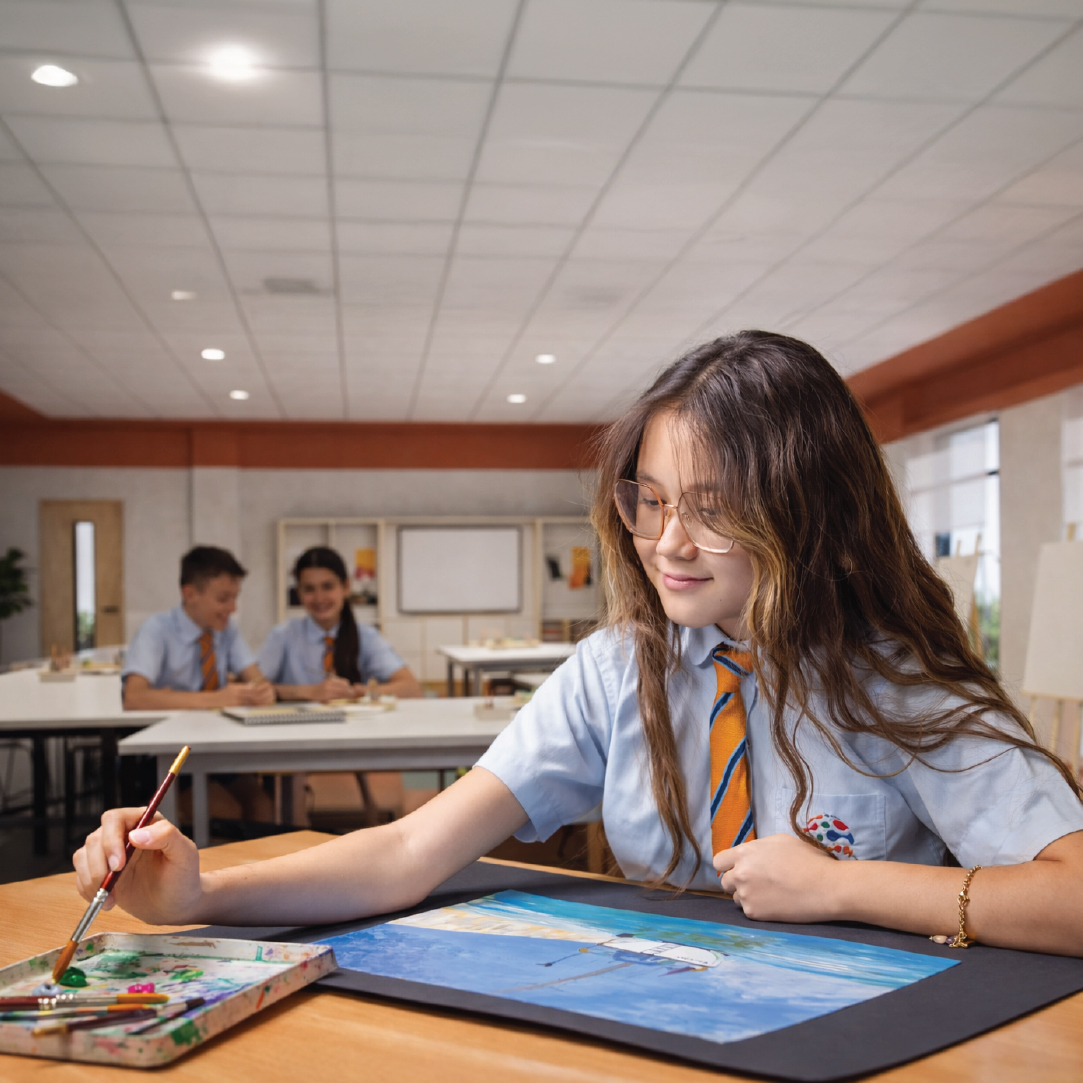
A student-driven independent research project in which the student pursues research in a subject of their choice and puts together a 4000-word externally assessed essay. Research and writing skills start building in PYP during the PYP exhibition and are further developed during the personal project in MYP. The EE prepares students well for higher academic research and education in universities.
Theory of Knowledge (TOK)
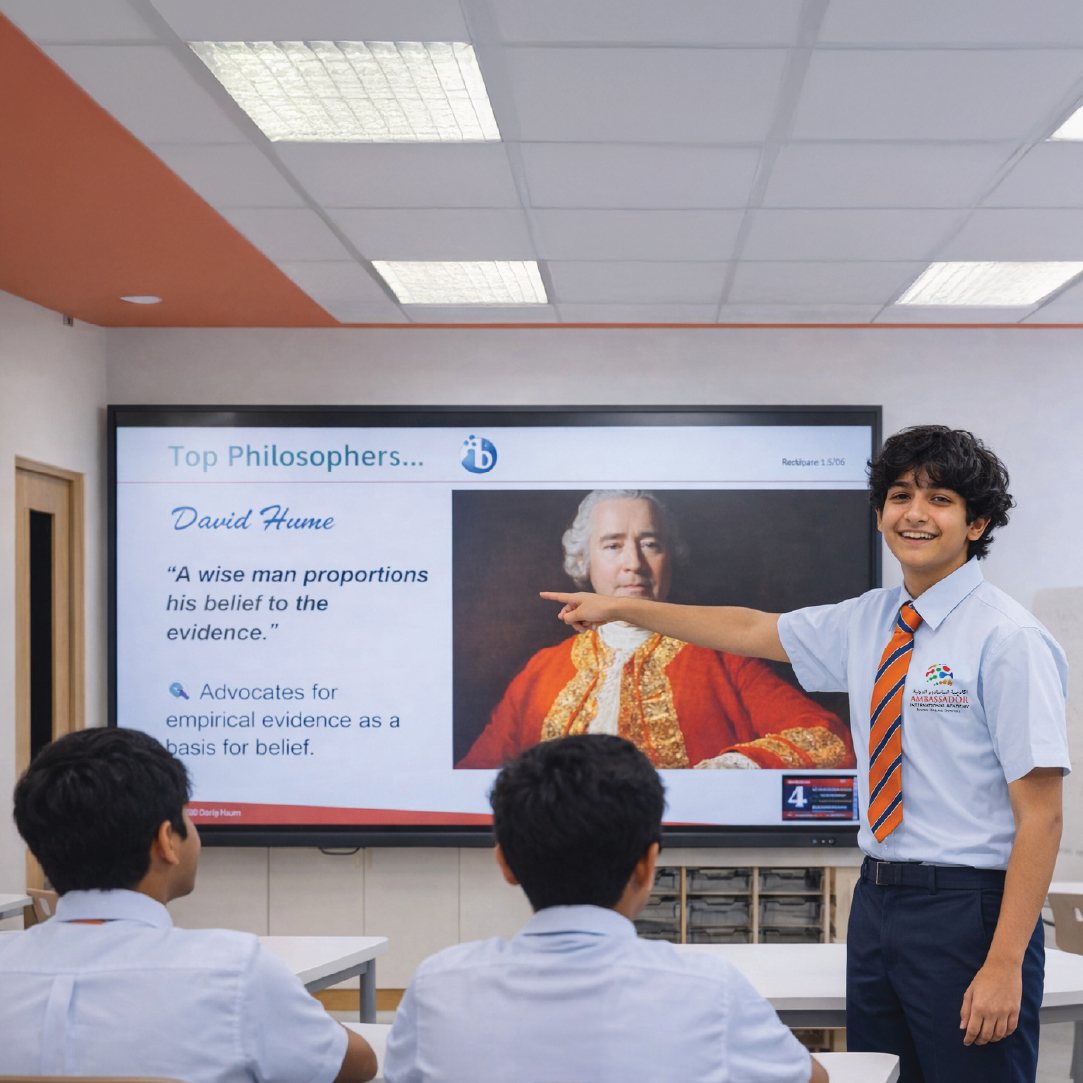
This is a metacognitive course which is unique to the Diploma Programme, especially at the high school level. Through this core component, students learn how to learn, question what they learn and learn the different approaches of exploring a subject group. This course is highly interdisciplinary and results in two assessments:
- The TOK exhibition & commentary: A physical exhibition curated based on a prompt selected by the students. It also involves a written commentary on the exhibit. This component is internally assesses and externally moderated.
- The TOK essay: Commentary written by students in response to title which are released annually by IB. This is an externally assessed component.
Creativity Activity Service (CAS)
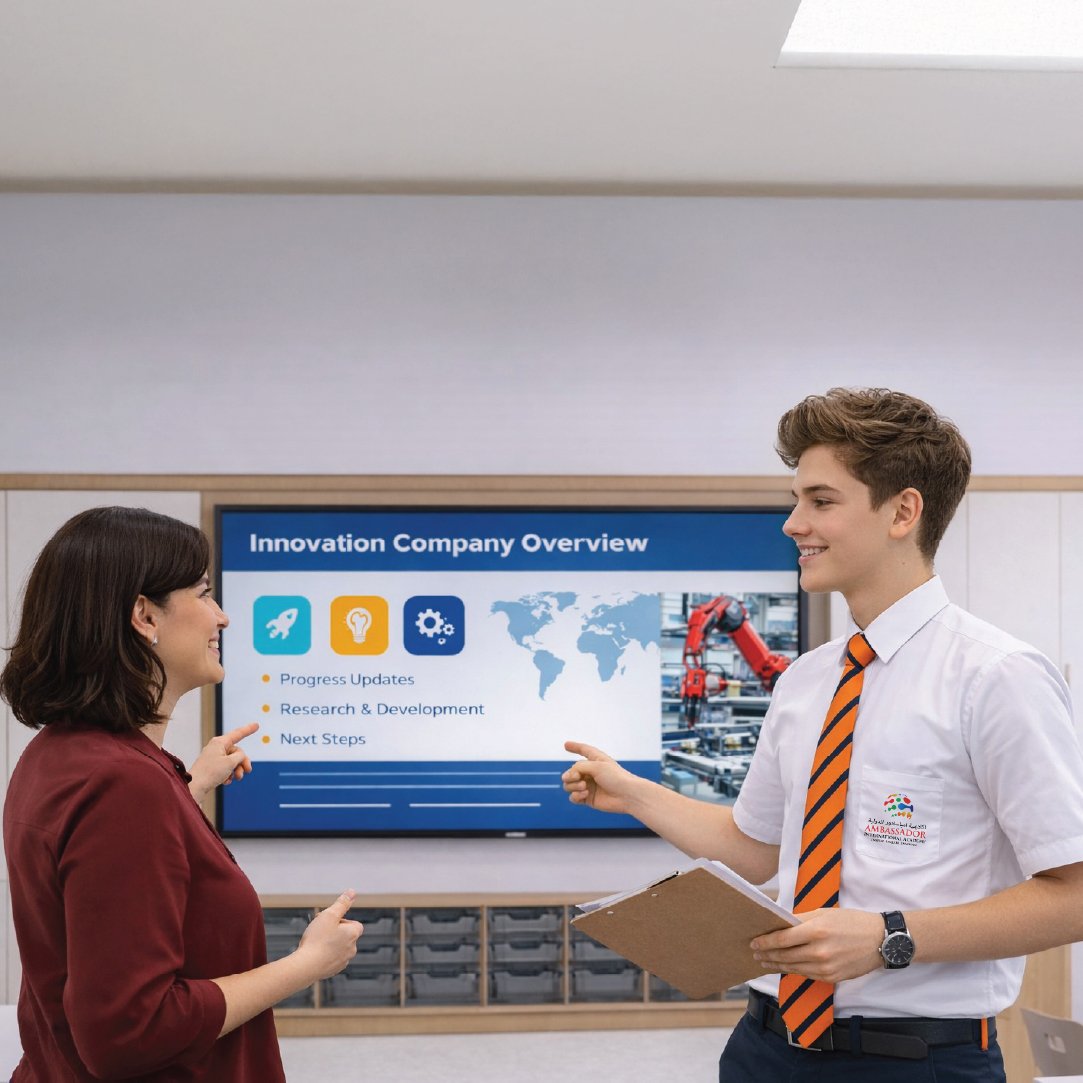
Creativity activity service is that core DP component which helps in balancing an otherwise academically heavy curriculum. Through CAS, students explore their creativity, engage in physical well-being and provide service to the community both within school hours and beyond. Additionally, to meet the requirements for CAS all students must engage in at least one CAS project. CAS also has a continuum across PYP (Action) and MYP (Service Action) which culminates into CAS in the DP. Although CAS is not an assessed part of the curriculum, the completion of CAS is mandatory and truly it is the heart of the curriculum.