.png?width=1738&height=340&name=AIA%20Logo%20(1).png "AIA Logo (1)")

When Memorisation has been a very familiar part of learning. Students in classes around the world would be expected to memorise facts and regurgitate them at high speed: 3x5? What is the capital of Switzerland? Or spell the word ‘beautiful’.
While this approach may work for some learners, and the facts it gives students may have a place in an educational journey, is it enough for success in life? Or is it a small part that simply compliments, what should be, a learning journey using inquiry to develop skill applications across all subject areas, regardless of content.
Inquiry-based learning provides a shift beyond simple memorisation, offering students much more, providing the building blocks for success by embedding fundamentals that are applicable across various topics, concepts and subject areas.
What is inquiry-based learning?
Inquiry-based learning offers students the opportunity to apply knowledge, rather than just repeat. This is a move away from knowing and towards understanding.
What does it look like in the classroom?
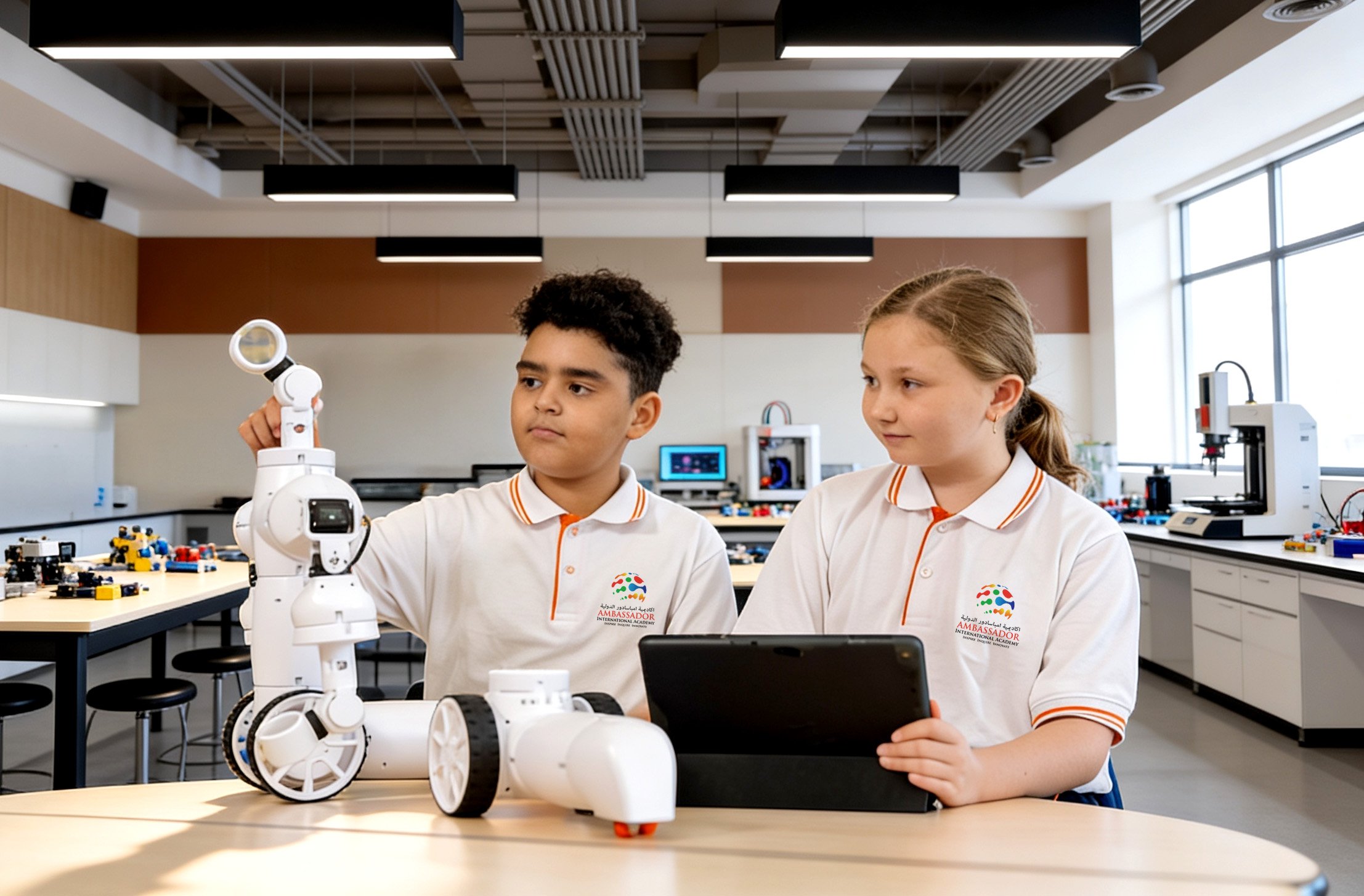
In an inquiry-based classroom, learning often begins with a provocation for the concept. Students will be introduced to a real-life concept through an activity that they can engage with and ask questions of. Students will then be able to find out more, investigate the problem, explore opportunities for action, and be given the opportunity to model their agency, by asking more questions that are personal to their interests on the topic, or concepts being introduced.
Traditionally Through the inquiry into the concept, knowledge will carefully and creatively be introduced. Students will use the knowledge and apply it, alongside essential skills (communication, collaboration, research) as they investigate through different lines of inquiry.
The teacher’s role is to facilitate the process and guide the learning, to ensure the knowledge and skills are both developed. The difference between traditional teacher and a facilitator is that now the students are more actively involved in their own learning process.
Developing deeper thinking:
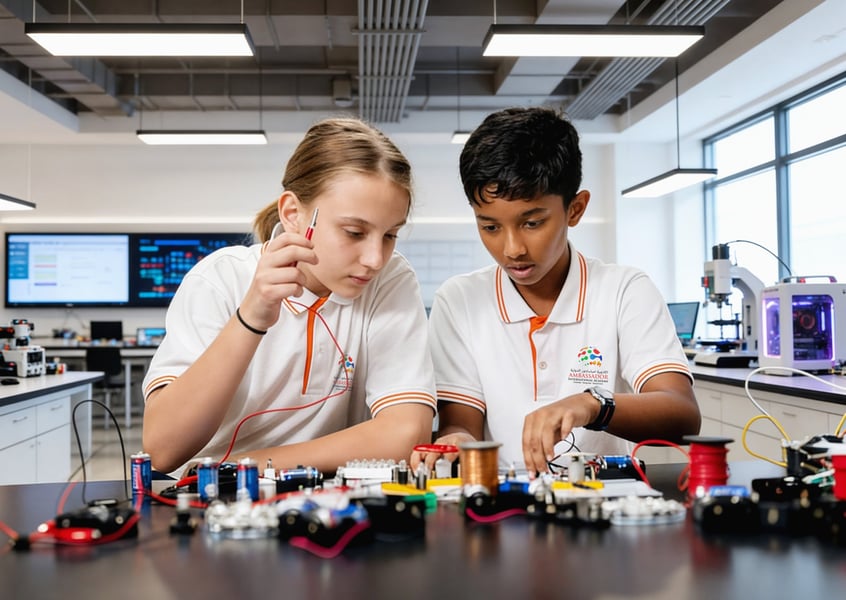
As students engage with inquiry, they begin to develop important ways of thinking. They learn to question, to reflect, and to consider different viewpoints. They make connections between ideas and begin to recognise patterns in their learning.
These are the moments where learning becomes more than memorisation. Students are not just recalling information, they are using it to think, and apply their thinking to real-world contexts.
Why this matters:
The world we live in is ever-changing, adapting, developing. The roles our children will play in it may not yet exist.
Through inquiry-based learning, students are developing essential skills. Through application of knowledge and their developed skills, they are becoming lifelong learners. Lifelong learners in the sense that they will possess the ability to complete the process independently. This ability is what will set them up for success no matter their path.
Throughout their educational journey, they will also have developed and perfected their ability to communicate effectively, collaborate with others, research when necessary, and most of all, think critically. All of which will serve them at various stages of both their formative years, as well as when they enter their adult lives.
Ready Curious about how inquiry-based learning works at AIA Mankhool? Book a meeting with our leadership team and see how we nurture confident, independent thinkers.

.png)